
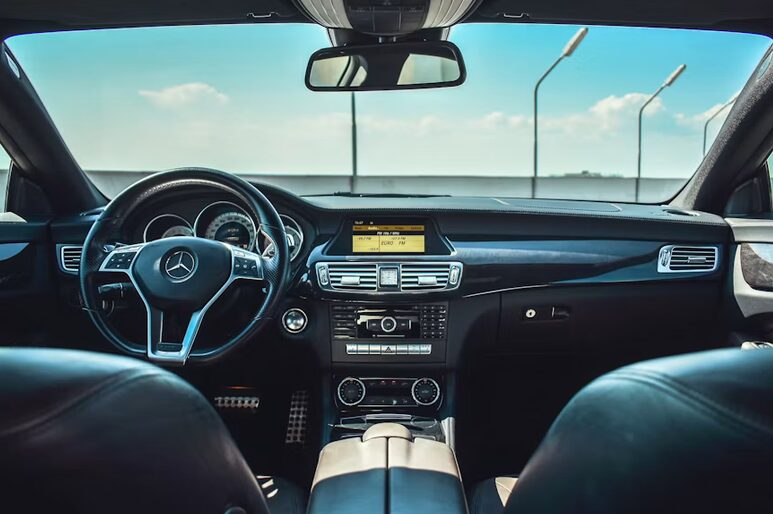
A car can have a beautiful exterior, a powerful engine, and a badge people recognize instantly, yet you might still hate spending 45 minutes inside it. That is because car interior design has a sneaky amount of influence over how a vehicle actually feels. You touch the steering wheel, stare at the dashboard, adjust the seat, operate the climate controls, and search for somewhere to put your phone. Basically, the interior is where you spend your entire driving life.
Comfort Is More Than a Soft Seat
The first job of an interior is making you comfortable. A seat can be covered in expensive leather and still feel like a medieval torture device after an hour on the highway. Good design considers seat shape, cushioning, driving position, steering wheel adjustment, and the amount of support provided to your back and legs. This becomes even more obvious during long trips. A poorly positioned armrest or awkward pedal arrangement might seem harmless during a five-minute test drive. After three hours, you may develop a very personal opinion about the person who approved it. Small ergonomic choices can have a surprisingly large effect on daily driving.
Controls Should Make Sense
Modern cars have become rolling computers, which sounds impressive until you need to turn on the heated seats while driving. Some manufacturers still manage to make basic functions unnecessarily difficult. Others get the layout right, using physical controls for frequently used features and placing important information where you can see it quickly. Good interior design reduces mental effort. You should not need a treasure map to adjust the temperature or change the audio volume. Touchscreens can provide flexibility, but screens are not automatically better. A well-designed cabin uses technology where it helps and keeps simple functions simple.
Visibility Can Change Your Confidence

You might think visibility is just about seeing through the windshield. It is much more than that. The size of the windows, position of the pillars, height of the dashboard, shape of the mirrors, and seating position all affect how easily you can understand what is happening around the vehicle. This matters most in tight spaces. A car with excellent visibility can feel smaller and easier to place on the road. A vehicle with huge blind spots can feel awkward even if its exterior dimensions are reasonable. Cameras and sensors help, but good basic visibility is still difficult to beat.
Storage Is a Surprisingly Big Deal
Interior storage rarely appears in the exciting part of a car brochure. Nobody buys a vehicle because the door pockets are legendary. Yet after living with a car, storage becomes one of those details you notice constantly. Where does your phone go? Can a large bottle fit in the cupholder? Is there enough space for sunglasses, charging cables, and whatever random object has somehow ended up in your cabin? These little decisions determine how tidy and convenient the car feels every day.
Materials Create the Atmosphere
Finally, materials influence how an interior feels before you even …
Continue reading