No matter how careful you are, dents happen. A parking lot bump, hailstorm, or flying debris can leave unsightly marks on your car’s surface. While they may seem minor, dents can affect your vehicle’s appearance and resale value. Understanding the different types of car dents and how to repair them helps you maintain your car in top condition. Whether it’s a simple ding or a more serious crease, knowing what you’re dealing with ensures the best possible fix.
Round Dents
Round dents are among the most common. They usually occur from small impacts like hailstones, balls, or stones kicked up on the road. The edges are smooth, and the metal curves inward without sharp lines. These dents are often shallow and localized, making them easier to repair. Paintless dent repair (PDR) is usually the ideal solution, as it restores the metal to its original shape without the need for repainting. Quick attention can prevent paint cracks and rust from forming later.
Crease Dents
Crease dents are more complex. They happen when an object drags along the car’s surface, leaving a line or fold in the metal. These dents often stretch the paint, which can lead to cracks if not repaired properly. Fixing creased dents requires precision tools and experience. Professional technicians use specialized equipment to massage the area back into shape. Due to their stretched metal pattern, these dents require utmost care to restore the car’s finish without causing further damage.
Sharp Dents
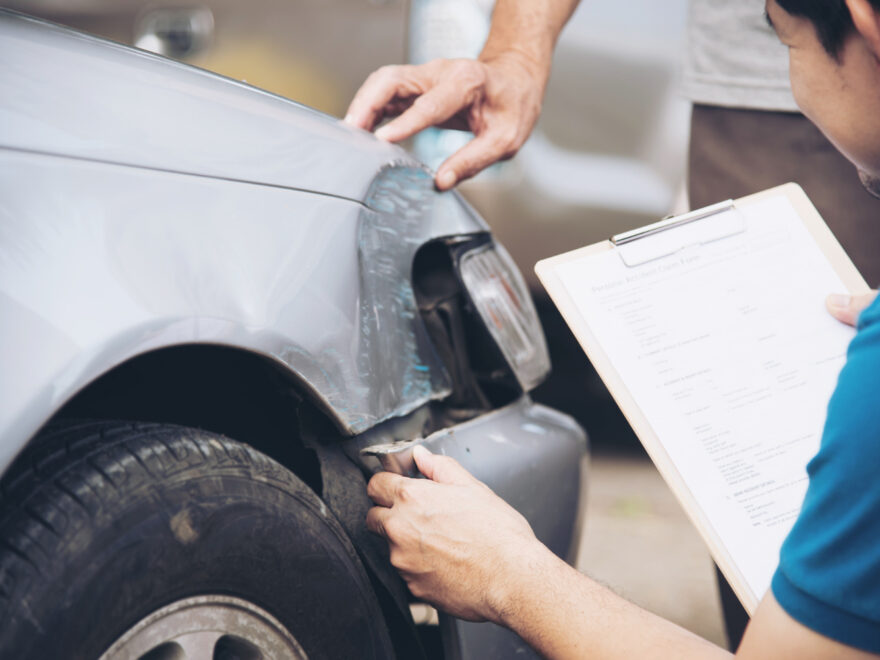
Sharp dents are caused by small, hard objects that hit the car with significant force, such as a door edge or shopping cart corner. These dents leave defined, deep marks and can pierce the paint. If the paint layer is broken, it exposes the metal underneath to moisture, increasing the risk of rust. While minor ones can sometimes be fixed with PDR, deeper, sharp dents often need sanding, filling, and repainting. Addressing them quickly ensures your car’s body stays protected.
Multi-Dents From Hail Damage
Hailstorms can leave dozens of tiny dents scattered across a car’s surface. These dents vary in depth and size, making repair more complicated. The good news is that PDR works well for hail damage because it preserves the factory paint. However, extensive hail dents may require more time and a detailed inspection. Professional repair services use specialized lighting and tools to identify every dent, ensuring nothing is overlooked. Proper treatment restores your car’s smooth appearance completely.
Bodyline Dents
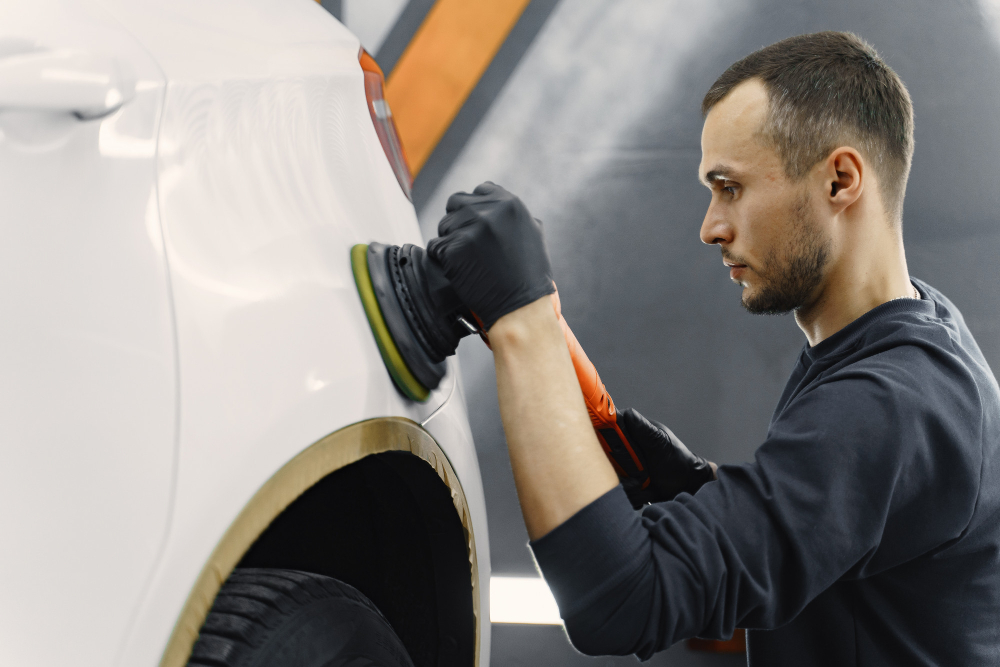
Bodyline dents occur along the car’s natural curves or design lines. These areas are harder to fix because they define the car’s shape. A dent along a contour requires careful reshaping to keep the line consistent with the original design. Skilled technicians can restore these with advanced PDR methods, but it takes time and precision. Attempting to fix them at home often leads to uneven results. For such dents, professional repair remains the safest and most effective choice.
Door Dings
Door dings are small, shallow dents caused by other vehicles’ doors or shopping carts hitting …
Continue reading